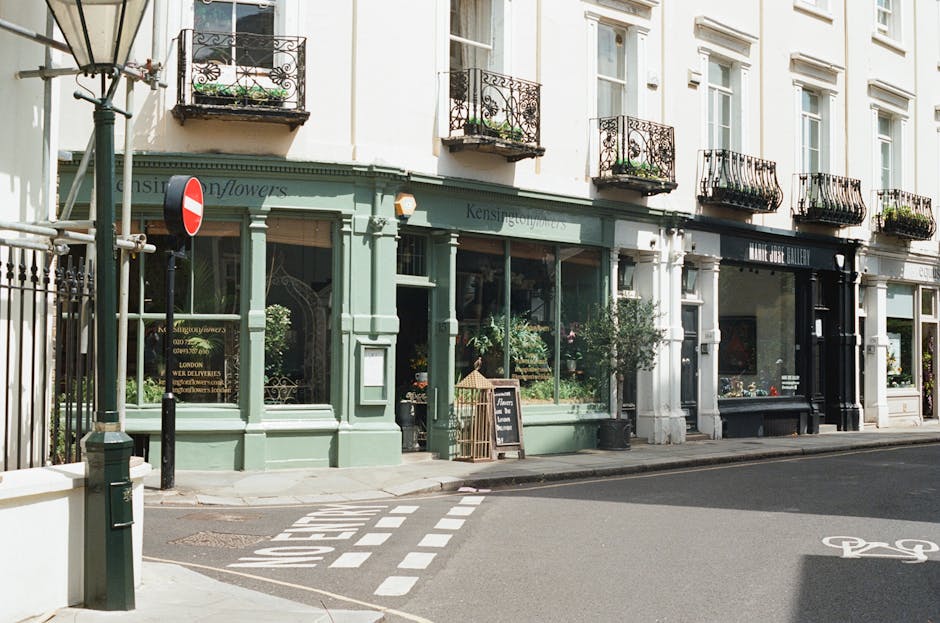
Westminster Council rules on floral displays in Mayfair
Posted on 25/09/2026
Westminster Council rules on floral displays in Mayfair: a practical guide for elegant, compliant presentation
If you are planning floral displays in Mayfair, the details matter more than people often expect. A window arrangement can look effortless, yet still run into trouble if it projects into the pavement, blocks sightlines, or conflicts with local expectations around the public realm. Westminster Council rules on floral displays in Mayfair are really about balance: beautiful presentation, safe access, and respect for one of London's most polished neighbourhoods.
That sounds straightforward. In practice, it is a bit more nuanced. Whether you are a hotel, restaurant, retailer, event organiser, landlord, or florist, you need to think about placement, permissions, daily maintenance, and the wider streetscape. This guide walks through how it all works, what usually causes problems, and how to keep your display looking sharp without creating headaches. And yes, a perfectly arranged front entrance can make a real difference.
We will cover the purpose of the rules, the way they are typically applied, the common mistakes businesses make, and the best practice approach that helps displays stay elegant rather than awkwardly oversized. If you are weighing up a shopfront installation, a seasonal display, or a recurring arrangement, this should give you a solid starting point.
Expert summary: In Mayfair, floral displays are usually judged less by how dramatic they are and more by how safely and neatly they fit the street, the building frontage, and the local setting. The best results come from planning early, measuring properly, and keeping the display maintainable.

Table of Contents
- Why Westminster Council rules on floral displays in Mayfair matter
- How Westminster Council rules on floral displays in Mayfair works
- Key benefits and practical advantages
- Who this is for and when it makes sense
- Step-by-step guidance
- Expert tips for better results
- Common mistakes to avoid
- Tools, resources and recommendations
- Law, compliance, standards, or best practice
- Options, methods, or comparison table
- Case study or real-world example
- Practical checklist
- Conclusion
- Frequently asked questions
Why Westminster Council rules on floral displays in Mayfair matters
Mayfair is not a casual backdrop. It is a high-footfall, high-visibility part of Westminster, with a mix of luxury retail, hospitality, offices, private residences, and event-led venues. That means every frontage is doing double duty: it represents the business and it contributes to the look and feel of the street.
Floral displays can lift a property beautifully. Fresh blooms soften hard architecture, create a welcoming entrance, and give a business an instant sense of care. But the same display can become a problem if it spills too far onto the pavement, creates clutter, or appears neglected by midday. Truth be told, a few wilting stems in a premium street can look worse than no display at all.
Westminster Council rules and local expectations matter because they help protect:
- safe pedestrian movement along narrow or busy pavements
- visibility for drivers, cyclists, and crossing pedestrians
- access for prams, wheelchairs, and mobility aids
- the character of a prestigious conservation-conscious area
- cleanliness and maintenance standards on the street
There is also a reputational angle. If a floral scheme looks unconsidered, the whole frontage can feel cheapened. If it looks disciplined and well-kept, it signals care. In Mayfair, that difference is obvious. People notice. They always do.
For businesses, the real challenge is not only whether a display is allowed, but whether it is proportionate, practical, and sustainable day after day. A display that looks brilliant at 9 a.m. but droops, sheds, or blocks access by lunchtime is not really a success.
How Westminster Council rules on floral displays in Mayfair works
There is no one single "floral display law" that covers every scenario in the same way. Instead, the rules and expectations are usually shaped by a combination of planning considerations, highway safety, property boundaries, licensing or lease conditions, and local enforcement standards. That sounds complicated because, well, it can be.
In practical terms, if you want to place flowers on or near a frontage in Mayfair, you should ask a few basic questions first:
- Is the display entirely within private property, or does it project into public space?
- Could it obstruct the pavement, entrances, sightlines, or emergency access?
- Is the arrangement temporary, seasonal, recurring, or permanent?
- Does it need landlord approval, building management approval, or council-related sign-off?
- Will it be maintained so that it stays tidy, safe, and stable?
That last point is easily overlooked. A display is not just a one-off design. It is a system. Someone has to water it, replace tired stems, check containers, clean up fallen petals, and keep it from becoming a trip hazard. Mayfair is the kind of place where the little details are very much visible.
In many cases, the most important practical issue is whether the flowers interact with the public highway. A display that sits fully inside a window or behind the shopfront line is usually simpler to manage than baskets, stands, or installations that extend outward. If you are unsure, treat the pavement as the sensitive area and plan around it.
For businesses that also offer delivery or regular floral rotation, there is often a useful operational link between display planning and day-to-day supply. A reliable florist in Mayfair W1K can help you choose designs that are attractive, stable, and realistic to maintain. If the arrangement also needs to arrive quickly for an event or launch, services like same-day flower delivery in Mayfair can be helpful, though scheduling should always be checked against access and setup timing.
Another thing worth saying: a display that looks right on paper may still need adjustments once you see it against the actual frontage. London light changes fast. A pale arrangement that looks crisp at noon can seem washed out by late afternoon, while deep tones can disappear in shaded corners. Small but real issue. It happens all the time.
Key Benefits and Practical Advantages
When floral displays are planned with Westminster's expectations in mind, the benefits go beyond looking pretty. Properly managed arrangements can improve how people move, how they feel, and how the brand is perceived.
- Better curb appeal: A balanced floral display makes a frontage feel cared for and distinctive.
- Stronger customer welcome: Flowers create a softer, more inviting first impression.
- Lower compliance risk: Good placement and tidy upkeep reduce the chance of complaints or intervention.
- More consistent presentation: Defined display standards help the frontage look good throughout the day.
- Better brand alignment: Flowers can reflect seasonal themes, event styling, or a luxury identity without shouting.
- Improved operational control: A planned display is easier to maintain than a last-minute decorative rush.
There is also a subtle commercial benefit. Customers in Mayfair often notice quality cues quickly. The fragrance at the doorway, the freshness of the stems, the neatness of the vessel, the restraint in the colour palette - these things quietly tell people whether a place is thoughtful. And if the frontage looks thoughtful, the inside often feels more trustworthy too.
For some businesses, floral presentation also works alongside wider gifting or customer experience activity. A recurring arrangement can sit nicely next to curated products, while a seasonal entrance scheme can complement luxury flowers or a broader showcase of all flowers. That said, the display should still suit the site first. The street comes before the catalogue. Always.
Who This Is For and When It Makes Sense
This topic is relevant to a wider group than people often think. It is not just for florists. In Mayfair, floral display decisions can involve several parties at once.
- Retailers who want attractive windows or doorways
- Hotels using flowers to shape the arrival experience
- Restaurants and bars with terrace-adjacent or entrance displays
- Property managers handling shared entrances or concierge areas
- Event organisers setting up temporary displays for launches, receptions, or private functions
- Florists advising on structure, freshness, and compliance-friendly placement
- Landlords and managing agents overseeing frontage standards
It makes sense to think about the rules early if you are:
- installing flowers near an entrance or along a frontage
- creating a recurring weekly or seasonal arrangement
- planning a brand refresh with visible exterior styling
- hosting a private event where floral styling is part of the street-facing presentation
- responding to a previous complaint or a cautious landlord
A quick example. Imagine a boutique hotel on a busy Mayfair street wants tall urns of seasonal flowers beside the doorway. Lovely idea. But if the urns narrow the walking route even a little, you may need to rethink the scale, swap to slimmer vessels, or move the display fully inside the threshold. The best design is the one that survives real use, not just the one that photographs well for ten minutes.
If you are arranging flowers for a one-off occasion, the compliance burden may feel lighter, but don't assume it disappears. For weddings and private functions, for instance, floral planning can intersect with venue rules and timing. A dedicated option such as wedding flowers in Mayfair may make more sense than a generic display if the aim is coordinated styling rather than simple decoration.
Step-by-Step Guidance
If you want a floral display that works well in Mayfair and stays on the right side of local expectations, use a structured process. It keeps decisions calmer and usually saves money too.
- Assess the frontage. Measure the space properly. Look at pavement width, doorway swing, sightlines, and where people naturally queue or pass.
- Clarify ownership and approvals. Confirm whether the flowers sit on private land, shared space, or near the public highway. Check with the landlord, managing agent, or building team where needed.
- Decide the purpose. Is the display for ambience, a launch, a celebration, seasonal branding, or everyday enhancement? The purpose affects size, colour, and durability.
- Choose a suitable format. Window arrangement, doorway urn, planter, pedestal, hanging piece, or table-scale display all carry different practical risks.
- Select stable materials. Use containers, mechanics, and finishes that hold up to weather, foot traffic, and frequent attention.
- Plan maintenance. Decide who waters, trims, replaces, and clears debris. If there is no maintenance plan, the display will probably age badly. That is just how it goes.
- Check visibility and safety. Stand back and view the display from walking height. If it blocks sightlines or creates a pinch point, reduce it.
- Review after installation. Recheck the arrangement at different times of day. Morning sunlight, afternoon shade, and evening footfall can change the picture quite a lot.
If you are delivering to a site rather than installing in person, it helps to have the flowers arrive in a condition that makes setup easier. Services like flower delivery in Mayfair W1K or next-day flower delivery in Mayfair can support planned installations, provided the timing suits access and staff availability.
One practical tip: build the scheme from the site backwards, not from the bouquet forwards. In other words, start with the entrance, the pavement, and the audience, then decide the flowers. That simple switch avoids a lot of expensive disappointment.
Expert Tips for Better Results
After you have handled a few frontages, certain patterns become obvious. The best floral displays in Mayfair tend to share a few quiet habits.
- Keep the palette restrained. Two or three tones often look more luxurious than six competing colours.
- Match scale to architecture. A grand doorway can take a fuller arrangement; a narrow entrance usually cannot.
- Use varieties that hold shape well. Stems that collapse quickly create avoidable maintenance problems.
- Choose vessels carefully. The container is part of the design and part of the compliance picture.
- Prioritise freshness over volume. A smaller, crisp arrangement beats a heavy one that fades by midday.
- Build in routine checks. A quick inspection in the morning and again later can save a lot of trouble.
Florists often find that certain product styles work better for urban frontages because they are easier to keep neat. Structured arrangements, luxury hand-tied designs, and compact vase presentations can be safer bets than loose or sprawling pieces. If you are looking for something that already leans elegant and controllable, flower shops in Mayfair W1K can be a useful place to start, especially when the brief is specific.
Another useful habit is to photograph the display from the pedestrian's point of view, not from inside the building. It sounds obvious, but people forget. What looks balanced from behind the counter can feel crowded from the pavement. The camera tells the truth rather briskly.
And one more small point: flowers near door handles, fire exits, or queue points are usually more trouble than they are worth. Nice idea, bad placement. Better to keep the beauty where people can appreciate it without bumping into it.
Common Mistakes to Avoid
Most floral display problems in Mayfair are not dramatic. They are small, avoidable errors that compound quickly.
- Overhanging the pavement: Even a pretty display becomes an issue if it narrows circulation.
- Ignoring maintenance: Wilted blooms, fallen petals, and water spills make a frontage look neglected.
- Choosing the wrong vessel: Lightweight, unstable, or easily tipped containers are risky in busy streets.
- Blocking sightlines: Displays near corners, crossings, or entrances need extra care.
- Assuming permission is automatic: Private property does not always mean unrestricted frontage use.
- Forgetting weather exposure: Wind, rain, heat, and direct sun can all change how the arrangement behaves.
- Making the display too busy: In a place like Mayfair, restraint often reads as confidence.
There is also a branding mistake that comes up more often than people admit: trying to make the display do too much. It is tempting to use flowers to signal seasonality, promotion, luxury, and personality all at once. Then it turns into visual noise. If you find yourself saying "just one more colour" three times in a row, pause. That's usually the sign.
If your project involves regular gifting or high-volume repeat orders, it may help to organise the process through a supplier that can support recurring business needs. For that, corporate accounts can make planning, scheduling, and consistency easier for some businesses. Not glamorous, perhaps, but very useful.
Tools, Resources and Recommendations
You do not need a huge toolkit to manage floral displays well, but a few practical items make a real difference.
- Measuring tape: essential for checking frontage width and vessel spacing.
- Watering schedule: a simple written rota prevents displays from drying out or going limp.
- Cleaning cloths and buckets: useful for spills, fallen petals, and quick refreshes.
- Stable containers: heavier bases often perform better in exposed or high-traffic locations.
- Basic maintenance log: helps staff track replacements and care routines.
- Photographic record: useful for approvals, landlord discussions, and consistency checks.
On the product side, it helps to know what your display is meant to communicate. If you want something understated and refined, white or soft-toned designs often suit Mayfair's architecture well. If you want a seasonal uplift, mixed seasonal compositions can work, but they still need discipline. A useful rule of thumb: the more public the display, the more controlled it should feel.
For ongoing care, flower longevity matters. A clear aftercare routine can keep the display looking better for longer and reduce waste. You can also find practical guidance in flower care, which is helpful if your team rotates arrangements internally or manages flowers after delivery.
If sustainability is important to your brand, that should be part of the conversation too. The most thoughtful displays are often the ones that balance beauty with sensible sourcing, waste reduction, and reuse where possible. A carefully planned design can look generous without being wasteful. Small win, but a good one.
Law, Compliance, Standards, or Best Practice
Because floral displays can interact with public space, the safest approach is to treat them as a compliance-sensitive frontage feature rather than a purely decorative extra. The exact rules may depend on where the flowers sit, who owns the frontage, whether the display touches the highway, and what the property or venue agreement allows.
In practice, best practice usually means:
- keeping displays within safe and clearly defined boundaries
- avoiding obstruction of pedestrian movement
- ensuring the arrangement is stable and well maintained
- checking with landlords, managing agents, or venue teams before installation
- reviewing anything that could affect access, visibility, or housekeeping
For businesses that operate in the hospitality or retail environment, internal policies often matter as much as external rules. Fire safety routes, emergency access, cleaning routines, and customer flow can all be affected by a display that is too ambitious. Nobody wants to explain that the roses looked lovely right up until they blocked the route out. Not ideal.
It is also worth distinguishing between temporary decorative styling and more established frontage changes. A short-term arrangement for a launch or celebration may be handled differently from a seasonal installation that stays in place for weeks. If in doubt, get agreement early and in writing. That simple habit can prevent avoidable friction later.
For some premises, especially those with recurring events or premium guest experiences, flower planning should sit alongside broader service and delivery policies. A clear operational framework helps keep presentation consistent and avoids last-minute improvisation. If you work across multiple locations, a consistent supplier relationship can help a lot.
Options, Methods, or Comparison Table
Not every floral display works equally well in Mayfair. The right format depends on space, purpose, maintenance capacity, and how public the frontage is. Here is a practical comparison.
| Display method | Best for | Strengths | Watch-outs |
|---|---|---|---|
| Window arrangement | Retail, hotel lobbies, indoor-facing frontages | Usually safer, easy to control, visible from outside | Can fade in strong sun; needs regular refreshes |
| Doorway urn or pedestal | Grand entrances, hospitality settings | Elegant and high impact | Must not narrow access or feel overbuilt |
| Planter-based scheme | Longer-term frontage styling | Stable, versatile, can feel substantial | Needs maintenance and careful placement |
| Temporary event install | Launches, weddings, receptions | Highly flexible and visually strong | Requires tighter timing and better coordination |
| Hanging or vertical florals | Feature moments where space is limited | Saves ground space, visually striking | Can be difficult to maintain and secure |
If you want a more modest, low-risk option, a smaller arrangement with good proportions is usually the easiest to live with. If you need a statement piece, keep it narrow enough to avoid accidental obstruction. The sweet spot is often somewhere in the middle, although Mayfair does sometimes reward a bit of theatre.
Case Study or Real-World Example
Picture a small luxury boutique on a Mayfair side street. The owner wants to mark the start of spring with a floral display outside the entrance. The first idea is a pair of large arrangements flanking the door, packed with mixed stems and tall branches. On paper, it looks striking. In reality, the pavement is already narrow and the frontage sits close to a busy pedestrian flow.
The florist revises the concept. Instead of oversized floor pieces, the team chooses a cleaner arrangement inside the window line, plus two compact matching vessels just inside the doorway. The colour palette is softened, the height is reduced, and the containers are weighted so they stay secure. Staff can still open the door easily, the walkway remains clear, and the frontage reads as elegant rather than crowded.
What changed? Not the ambition, really. The ambition stayed. The difference was judgment.
That is usually the trick in Mayfair. People are not trying to be dull; they are trying to be smart. A display that respects the street can still feel luxurious. In fact, it often feels more luxurious because it looks deliberate.
The same principle applies to restaurant terraces, hotel arrivals, and seasonal installations. The more carefully the floral scheme fits the space, the more polished the end result. And if you need support finding suitable arrangements for the occasion, a curated option such as florist choice can be a useful starting point when you want the design to be handled with some flexibility.
Practical Checklist
Use this checklist before installing or approving a floral display in Mayfair.
- Measure the area and confirm available space
- Check whether the flowers sit on private or shared frontage
- Confirm approvals with landlord, agent, or venue team if needed
- Make sure the display will not obstruct walking routes
- Check sightlines from the street and doorway
- Choose stable containers and suitable mechanics
- Plan watering, cleaning, and replacement schedules
- Review the display at pedestrian height
- Test the display after installation for stability
- Document the final setup with photos for future reference
If you can tick all of those off, you are in a much better place. Not guaranteed perfection, but a very sensible start.
Conclusion
Westminster Council rules on floral displays in Mayfair are really about getting the balance right. The best displays feel generous, polished, and intentional, but never careless. They enhance the street without intruding on it. They welcome people in without getting in the way.
If you are planning a display, start with the space, not the flowers. Think about access, maintenance, and visibility first. Then choose a design that suits the building and the people using it. That approach tends to produce better results, fewer surprises, and much less stress. And honestly, that is usually what people want most.
Get a free quote today and see how much you can save.
When done well, a floral display in Mayfair does more than decorate a frontage. It gives the place a pulse. Quietly, beautifully, that makes a difference.
Frequently Asked Questions
Do Westminster Council rules on floral displays in Mayfair require permission for every arrangement?
Not every arrangement needs the same level of approval, but you should not assume a display is automatically allowed. It depends on whether the flowers are fully within private space, whether they affect the pavement or highway, and whether landlord or venue approvals are needed. If the display is visible from the street but kept safely inside the frontage, it is usually simpler than anything that projects outward.
Can I put floral displays outside my shop in Mayfair?
Sometimes, but it needs careful checking. Displays outside a shop can affect pedestrian flow, access, and visibility. In a busy area like Mayfair, even a small change in footprint can matter. It is wise to measure the space, think about queueing and cleaning, and confirm any relevant permissions before installing anything permanent or semi-permanent.
What is the safest type of floral display for a Mayfair frontage?
In many cases, a display set back within the property line is the safest and easiest to manage. Window arrangements, internal entrance pieces, or compact vessels behind the threshold are often less problematic than anything that touches the pavement. The safest option is the one that looks good and stays out of people's way.
Do I need a florist who understands Mayfair-specific expectations?
It helps a lot. A florist familiar with central London frontages will usually think more carefully about scale, access, weather exposure, and presentation standards. That knowledge matters when a display needs to look refined rather than overdone. For a lot of businesses, local experience is worth more than a dramatic portfolio shot.
How often should floral displays be refreshed in Mayfair?
It depends on the flowers, the weather, the location, and the purpose of the display. Some arrangements need daily attention, while others can last longer with proper care. In a high-visibility area, the standard is usually higher because tired flowers stand out quickly. If a display starts to look droopy, it is time to act.
Are there different rules for temporary event flowers and permanent displays?
Yes, usually there are different expectations. Temporary event flowers may be assessed more leniently, but they still need to be safe, tidy, and properly timed. Permanent or recurring displays are more likely to need a clearer approval trail, especially if they affect the frontage on a regular basis. Long-term use always deserves more scrutiny.
Can floral displays create a health and safety issue?
They can, if they block access, spill water, shed debris, or create unstable obstacles. This is why stability and maintenance matter as much as appearance. A beautiful arrangement is not much use if someone trips over the stand or if the doorway becomes awkward to navigate. The aim is to make the space welcoming, not tricky.
What kind of flowers work best for busy London streets?
Flowers that hold their shape well, look fresh for longer, and suit compact arrangements often perform best. Many businesses prefer structured designs rather than loose, sprawling ones. Stems that cope better with indoor warmth, foot traffic, and regular handling are usually the sensible choice. The perfect flower is lovely; the practical flower is the one you will actually enjoy keeping up.
How do I make sure a floral display still looks good by the afternoon?
Start with fresh flowers, keep the arrangement out of harsh heat where possible, and build a maintenance routine into the day. Watering, trimming, and removing tired stems make a real difference. It also helps to choose a design that is not overstuffed from the beginning, because dense arrangements tend to age faster when conditions change.
Should I use seasonal flowers for a Mayfair display?
Seasonal flowers are often a smart choice because they usually feel timely and can look more natural. They can also fit the tone of the street well, especially if the design is elegant and restrained. That said, seasonality should not come at the expense of durability. The best display is seasonal, fresh, and still steady enough to last the day.
What if my landlord or venue manager says no to an outside display?
Then it is usually better to adjust the concept rather than push for the original idea. Move the flowers inside the threshold, reduce the scale, or switch to window-facing styling. Often the same sense of welcome can be achieved without using the contested space. To be fair, a well-placed interior display can sometimes look even better.
Where can I get flowers that suit a premium Mayfair setting?
Look for a supplier that offers refined presentation, reliable timing, and practical care advice. For many people, this means choosing arrangements that are elegant rather than oversized and that can be delivered to suit the frontage plan. If you need inspiration for gifting or styling, options like best sellers can help you see what tends to work well in real-world settings.